Effective communication is at the heart of every successful multi-location dental marketing strategy. While most interactions with patients happen during office hours, what truly sets leading practices apart is how they handle communication after hours. How well you manage voicemails and callbacks doesn’t just influence whether a patient books an appointment, it also shapes the trust and confidence patients place in your dental practice over the long-term.
Why the Handling of After-Hours Calls is Important for DSOs and Group Practices
While the goal is to minimize how many calls reach voicemail, it’s inevitable that some patients will call after hours. When that happens, your message should reassure them that their needs matter and that you’ll follow up promptly. Every voicemail isn’t just a missed call, it’s an opportunity to demonstrate care, build trust, and move patients closer to booking an appointment.
Understanding your patients’ after-hours needs

To ensure that you’re prepared to handle after-hours inquiries, you should understand why your patients would call outside of normal business hours.
- Emergencies: The most common reason that patients will call after hours is for emergency or urgent situations. For example, severe tooth pain, a knocked-out tooth, swelling, injury, etc.
- Post-treatment questions: Patients may discover they have questions about post-treatment healing that come up after hours. For example, maybe they lost post-treatment instructions or they need clarity about a particular step in the process.
- Appointment scheduling issues: Some patients might realize outside of office hours that they can’t make an appointment and need to cancel or reschedule.
- Billing or insurance questions: Questions or concerns about billing and insurance may arise as patients go through paperwork at home.
- Prescription issues: Patients may call after hours if they run into trouble filling a prescription or questions about dosage.
- Busy schedules: New patients may have inquiries after hours due to their busy schedules during the day.
Instructions for Recording a Voicemail Greeting
What are the elements of an effective, conversion-focused voicemail?
- Warm greeting and tone: Use a friendly and warm tone so the patient feels welcomed. Make sure to thank them for calling and include your practice’s name.
- Reassurance: Taking care of oral health is important, so assure patients that they’re in good hands.
- Clear instructions: Tell callers what to do next (leave a message, call back, or book online).
- Emergency guidance: Let patients know what to do if their situation is urgent (e.g., call 911 or an after-hours emergency number).
- Optional value add: Mention online scheduling, website info, or business hours.
- Concise: Keep it under 30 seconds so patients don’t hang up. People are busy and want to get the necessary information as quickly as possible.
Here’s an example voicemail you could use:
“Hi, you’ve reached [Practice Name]. We’re so sorry to have missed you, please know your call is important to us. If you’re calling about a dental emergency, such as a broken tooth, severe pain, or swelling, please call our emergency number at [emergency number]. For office hours, location details, or to schedule an appointment online, visit us at [website]. Otherwise, please leave your name, number, and reason for calling, and we’ll get back to you as soon as possible.Take care, and we’ll talk to you soon!”
Make Follow-Up a Non-Negotiable
When it comes to patient calls, speed is everything. A missed call, especially from a new patient, can easily become a missed opportunity. That’s why follow-up should never be left to chance. Assign a team member each morning to check for after-hours voicemails, and make those callbacks their first priority of the day.
The sooner you reach out, the more likely you are to secure the appointment. A patient who called the night before is often still in “decision mode,” and a fast, professional response shows that your practice values their time and concerns.
Limiting Lead Voicemails
The most effective group practice and DSO lead generation strategy is to prevent voicemails from piling up in the first place. Every missed call is a missed chance to connect with a patient at the moment they’re most motivated to book. For DSOs and group practices, that can add up to hundreds of lost opportunities each year.
Here are a few ways to minimize missed calls:
- Route calls efficiently: Use call forwarding to ensure someone is always available during business hours.
- Train staff to prioritize new patient calls: If multiple lines are ringing, the new patient line should always come first.
- Leverage technology: Consider call answering services or overflow solutions to cover busy periods.
When you do have to return a voicemail, make the call personal. Use the patient’s name, acknowledge why they called, and address their concern directly. For example: “Hi [patient name], this is [name of person answering the call] from [name of dental practice]. I saw that you called last night about scheduling a cleaning. We have a few time slots open this week; let’s get you booked right away. ”
This small step makes patients feel seen and valued, while moving them smoothly toward an appointment.
Tracking the Impact of Voicemail on Group Practice & DSO Lead Generation
Don’t leave the effectiveness of your voicemail to guesswork. With a proper call-back system and tracking in place, you can see exactly what you’re doing right and what you and your staff can improve.
Integrating Voicemail with Call-Back Systems
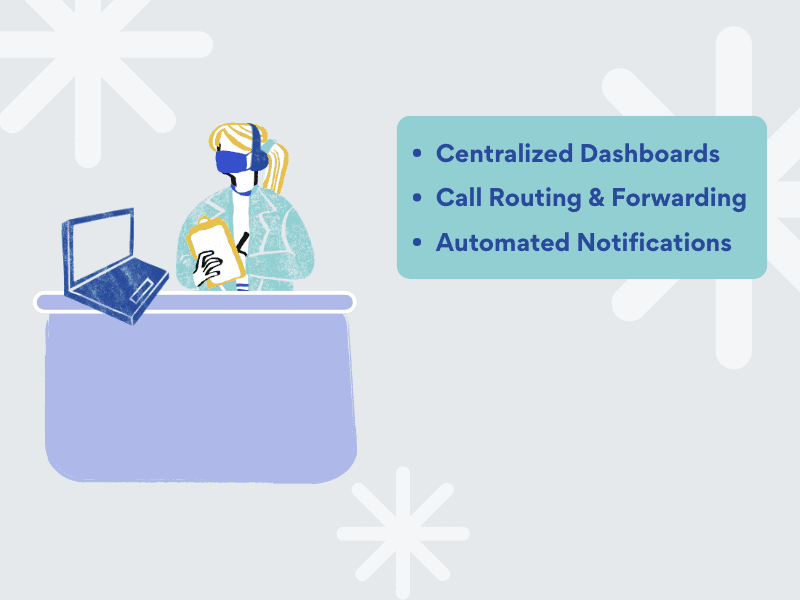
By integrating voicemail with call-back systems and call-tracking platforms, your team can streamline the process and make sure no lead slips through the cracks.
- Centralized dashboards allow staff to see new voicemails across locations and assign them for follow-up.
- Call routing and forwarding reduces the number of calls that go unanswered in the first place.
- Automated notifications ensure that whenever a voicemail is left, the right team member gets an instant alert to respond.
For group practices and DSOs, this creates consistency. No matter which office your patients call, they’ll get the same quick, professional callback experience, building brand trust across your entire organization.
Here are some dental-focused tools that can help you integrate a call-back system:
- Solutionreach: Patient communication platform with voicemail alerts, automated text reminders, and call management.
- Yapi: Integrates with dental PMS; includes voicemail follow-up alerts and communication tracking.
- Dental Intel: Offers call tracking and integration with patient data, so teams can prioritize callbacks to new leads.
- Patient Prism: Built specifically for dental and healthcare, analyzes voicemails and calls with AI and sends alerts for fast follow-up.
Implementing the right metrics
Once you’ve set up a reliable call-back process, the next step is measuring its effectiveness. Key performance indicators (KPIs) include:
- Callback-to-Appointment Conversion Rate: Of the patients who left a voicemail, how many actually booked an appointment once your team followed up?
- Speed-to-Callback: How quickly does your team return voicemails? Tracking this in minutes or hours helps you see whether speed is impacting conversion.
- Voicemail Volume by Type: Break down voicemails into new patient leads, existing patient inquiries, billing questions, and emergencies. This shows whether missed calls are costing you new business or just delaying routine tasks.
- Patient Satisfaction: Follow up with short surveys or post-visit feedback asking patients about their callback experience. A fast, friendly response can be a differentiator that patients remember.
By monitoring these KPIs, you can identify which offices or team members are excelling and where improvement is needed. Over time, this creates a more consistent patient experience and directly supports your group practice and DSO lead generation goals.
Why Voicemail Matters in Increasing Conversions
Your voicemail greeting, instructions, and follow-up process play a pivotal role in turning calls into conversions. Each missed call carries both risk and opportunity: risk if patients feel overlooked, and opportunity if your team responds quickly and professionally.
With a voicemail that’s warm, concise, and clear—paired with prompt follow-up and the right tracking—your practice can turn after-hours calls into a powerful driver of patient trust and new appointments. In today’s competitive dental market, even small improvements in voicemail handling can set your practice apart and strengthen patient relationships.